If you’re renovating your bathroom or building a new one, you might be wondering what type of glass is best for your shower doors. The answer depends on your preferences, budget, and needs. In this article, we’ll explore the different types of glass for shower doors and their pros and cons, so you can make an informed decision.
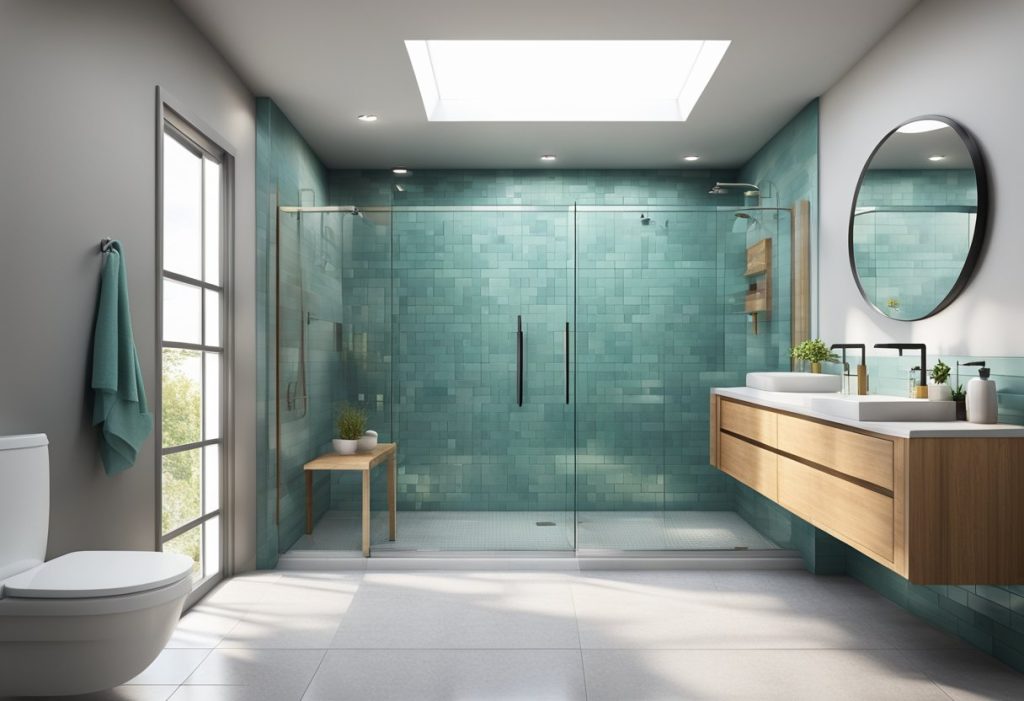
One of the most popular types of glass for shower doors is tempered glass. Tempered glass is a type of safety glass that is four to five times stronger than regular glass. It is resistant to impact, thermal shock, and bending, making it a safe and durable option for shower doors. If tempered glass breaks, it shatters into small, round pieces that are less likely to cause injury than sharp shards. Tempered glass is also easy to clean and maintain, and it comes in a variety of thicknesses and finishes.
Types of Shower Glass
When it comes to choosing the best glass for your shower, there are different types of glass to consider. Each type has its own unique properties that make it suitable for different shower designs and bathroom styles. In this section, we will discuss the three most common types of shower glass: tempered glass, laminated glass, and frosted glass.
Tempered Glass
Tempered glass is the most popular type of glass for shower enclosures. It is a safety glass that is four to five times stronger than regular glass. Tempered glass is made by heating regular glass to a high temperature and then cooling it rapidly. This process makes the glass stronger and more resistant to impact and thermal stress. If tempered glass does break, it shatters into small, rounded pieces that are less likely to cause injury. This makes it a safer option for shower doors and enclosures.
Laminated Glass
Laminated glass is another type of safety glass that is commonly used for shower enclosures. It is made by sandwiching a layer of polyvinyl butyral (PVB) between two or more layers of glass. This process creates a strong, durable glass that is resistant to impact and sound transmission. Laminated glass is also more resistant to breakage than tempered glass. If laminated glass does break, the PVB layer holds the glass together, preventing it from shattering and reducing the risk of injury.
Frosted Glass
Frosted glass is a popular choice for shower enclosures because it offers privacy while still allowing light to pass through. Frosted glass is made by etching the surface of the glass with acid or sandblasting. This creates a surface that is rough and opaque, making it difficult to see through. Frosted glass is available in different levels of opacity, so you can choose the level of privacy that you need for your shower enclosure.
When choosing the best glass for your shower, it is important to consider factors such as safety, durability, and privacy. Tempered glass and laminated glass are both safety glasses that are resistant to impact and breakage, making them a safer option for shower enclosures. Frosted glass is a great choice if you want to add privacy to your shower enclosure while still allowing light to pass through. Overall, the best glass for your shower depends on your personal preferences and the design of your bathroom.
Choosing the Right Glass Thickness
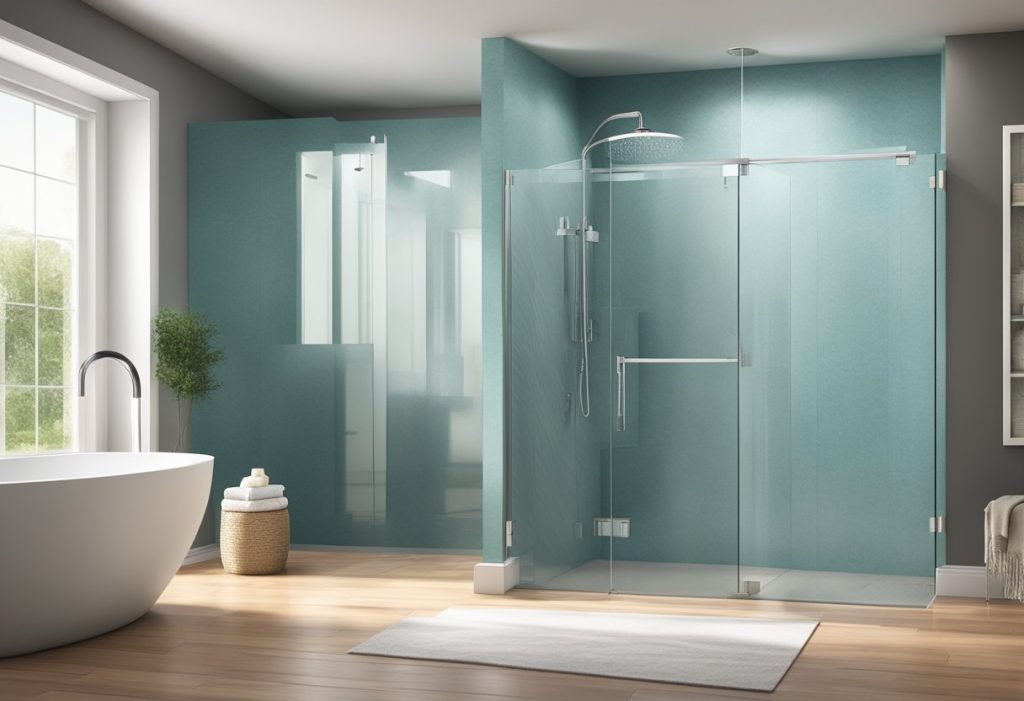
When it comes to choosing the right glass thickness for your shower, there are a few things to consider. The thickness of the glass can affect both the appearance and the durability of the shower enclosure. Here are some factors to keep in mind:
Standard Thickness Levels
The most common thickness options for shower door glass are 3/8-inch and 1/2-inch. According to Glass Genius, “the majority opt for 3/8 ″ thick glass and 1/2″ thick glass for their shower enclosure.” 3/8-inch glass is the minimum thickness that will provide the necessary stability and soundness of the glass door, but it is generally recommended to go with at least 1/2-inch thickness for maximum stability and strength.
Considerations for Thickness
When deciding on the thickness of your shower glass, there are a few factors to consider. These include:
- Type of Glass: The type of glass you choose can affect the thickness you need. For example, tempered glass is stronger and more durable than regular glass and may not need to be as thick.
- Shower Installation: The installation of your shower can also play a role in determining the thickness of the glass. If your shower is going to be installed in a high-traffic area or in a home with children, you may want to opt for thicker glass to ensure that it can withstand wear and tear.
- Budget: Thicker glass tends to be more expensive than thinner glass, so your budget may play a role in determining the thickness of the glass you choose.
- Personal Preference: Ultimately, the thickness of the glass you choose will come down to personal preference. Some people prefer the look of thicker glass, while others prefer a more streamlined and minimalist look.
In summary, when choosing the right glass thickness for your shower, it’s important to consider the type of glass, the installation, your budget, and your personal preferences. While 3/8-inch glass is the minimum thickness for stability and soundness, it’s generally recommended to go with at least 1/2-inch thickness for maximum strength and durability.
Glass Treatments and Coatings
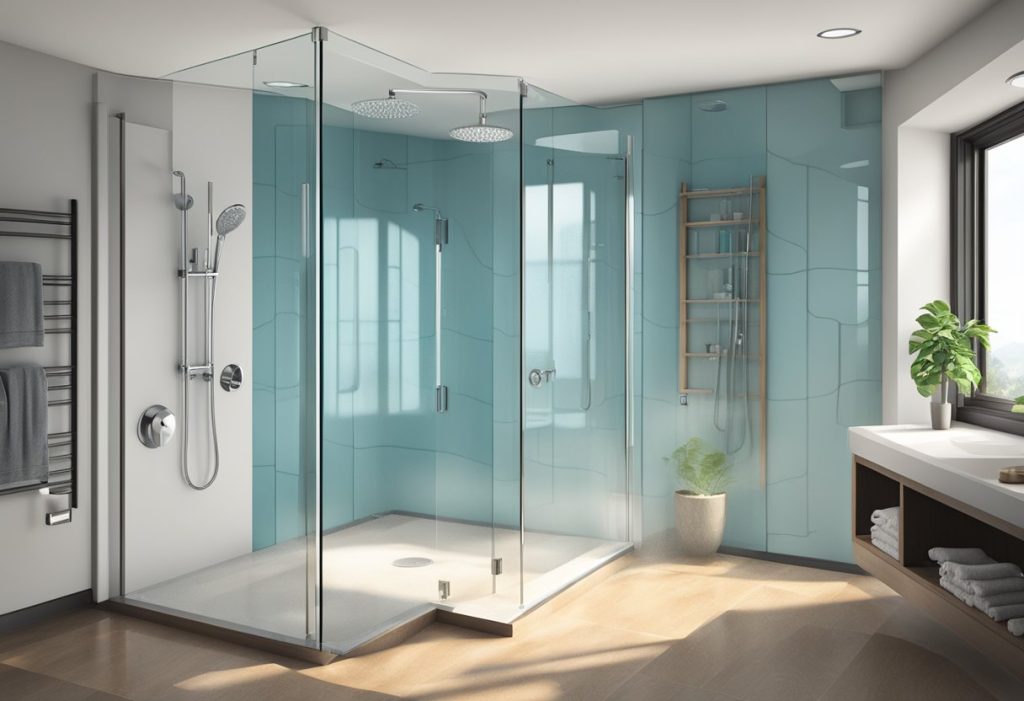
When it comes to shower glass, you have a variety of options to enhance its durability and appearance. In this section, we will discuss two popular glass treatments: ClearShield Coating and Frosted and Textured Options.
ClearShield Coating
ClearShield Coating is a hydrophobic treatment that creates a protective barrier on the glass surface. It repels water, protecting your glass from water stains, mineral buildup, and corrosion. This coating is also easy to clean, making it a popular choice for shower glass.
ClearShield Coating is a permanent treatment that can be applied to new or existing glass. It is available in both residential and commercial applications. This coating is also environmentally friendly, as it reduces the need for harsh cleaning chemicals.
Frosted and Textured Options
Frosted and textured glass options provide privacy and style to your shower enclosure. These options are available in a variety of patterns and designs, allowing you to choose the perfect option to match your bathroom decor.
Frosted and textured glass also provide an anti-slip surface, making them a safer option for your shower. These options are also easy to clean and maintain, making them a popular choice for homeowners.
In conclusion, ClearShield Coating and Frosted and Textured Options are two popular glass treatments that can enhance the durability and appearance of your shower glass. Consider your specific needs and preferences when choosing the best option for your shower enclosure.
Shower Glass Framing Options
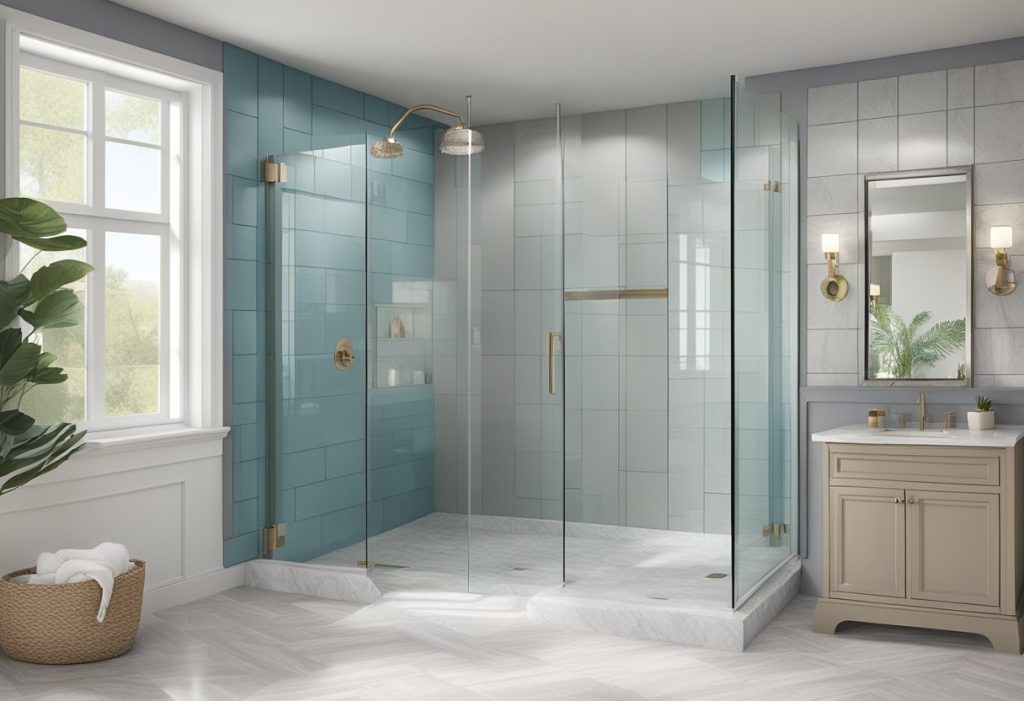
When it comes to shower glass, there are a few framing options to consider. Each option has its own unique benefits and drawbacks, so it’s important to choose the right one for your needs.
Frameless Shower Enclosures
Frameless shower enclosures are a popular option for those who want a sleek and modern look. These enclosures are made entirely of glass and have no visible frame. They can be customized to fit any size or shape of shower and are available in a variety of glass types, including tempered glass and laminated glass.
One of the main benefits of frameless shower enclosures is that they are easy to clean. Without any metal frames to collect dirt and grime, you can simply wipe down the glass with a squeegee or cloth. Additionally, frameless enclosures can make your bathroom appear larger and more open.
Semi-Frameless Options
Semi-frameless shower enclosures are another option to consider. These enclosures have a partial frame, typically made of aluminum or stainless steel, that secures the glass panels in place. The frame is usually located along the top and bottom of the enclosure, with the sides left frameless.
Semi-frameless enclosures offer a balance between the sleek look of frameless enclosures and the affordability of framed enclosures. They are also easier to install than frameless enclosures, making them a popular choice for DIY projects.
Framed Shower Doors
Framed shower doors are the most traditional option and have been around for decades. These doors have a metal frame that surrounds the glass panels, providing support and stability. The frame is typically made of aluminum or stainless steel, and can be customized to match your bathroom décor.
Framed shower doors are the most affordable option and are widely available. However, they can be more difficult to clean than frameless or semi-frameless enclosures, as dirt and grime can collect in the metal frames. Additionally, the metal frames can make your bathroom appear smaller and more closed off.
No matter which framing option you choose, it’s important to select the right glass type for your needs. Tempered glass is the most common type of glass used for shower enclosures, as it is strong and durable. Laminated glass is another option to consider, as it is shatter-resistant and can provide added safety.
Installation Process and Best Practices
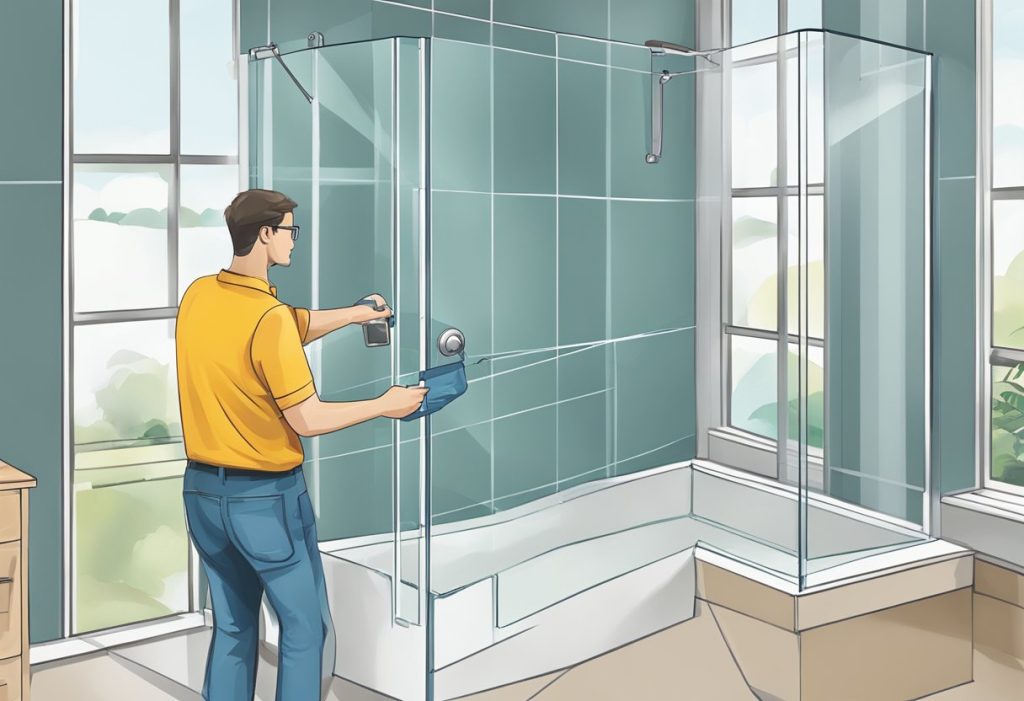
When it comes to installing a glass shower enclosure, there are a few things to keep in mind to ensure a successful installation. In this section, we’ll cover the measuring and preparation process, as well as the pros and cons of professional installation versus DIY.
Measuring and Preparing the Space
Before you begin the installation process, it’s important to measure and prepare the space. This includes measuring the shower area to ensure that the glass panels will fit properly, as well as preparing the walls and floor for installation.
When measuring the shower area, be sure to measure both the height and width of the space. It’s also important to take into account any obstructions or irregularities in the space, such as sloping ceilings or uneven walls.
Once you have your measurements, you can begin preparing the walls and floor for installation. This may include removing existing tiles or fixtures, as well as repairing any damage to the walls or floor.
Professional Installation vs. DIY
When it comes to installing a glass shower enclosure, you have the option of hiring a professional or doing it yourself. While DIY installation can save you money, it’s important to consider the potential risks and drawbacks.
Professional installation offers a number of benefits, including expertise, experience, and access to specialized tools and equipment. A professional installer can also ensure that the glass panels are installed safely and securely, reducing the risk of accidents or damage.
If you do choose to install the glass shower enclosure yourself, be sure to follow the manufacturer’s instructions carefully and take all necessary safety precautions. It’s also a good idea to have a helper on hand to assist with the installation process.
Overall, the installation process for a glass shower enclosure can be complex and time-consuming, but with careful preparation and attention to detail, it can be a rewarding DIY project or a successful professional installation.
Maintenance and Upkeep
Taking proper care of your shower glass is essential to keep it looking great and to extend its lifespan. Here are some tips to help you maintain your glass shower doors.
Daily Cleaning Tips
Cleaning your shower glass regularly is essential to prevent the buildup of soap scum, hard water stains, and other grime that can dull the glass and make it look unsightly. To clean your shower glass, you can use a mild, non-abrasive cleaner or a mixture of vinegar and water. Avoid using harsh chemicals or abrasive scrubbers that can scratch the glass.
To clean the glass using vinegar, grab a microfiber cloth or a damp sponge, and a spray bottle, then create a solution using one cup of vinegar and four cups of warm water. This mixture will naturally kill any germs that are living on the surface of the glass and can eliminate streaks, water stains, and smudges, and prevent the formation of mildew. After spraying the solution on the glass, wipe it down with a clean, dry cloth or squeegee to remove any excess moisture.
Preventing Water Spots and Buildup
One of the most common problems with glass shower doors is the buildup of water spots that can make the glass look cloudy and dull. To prevent water spots, you can use a protective coating that will repel water and prevent it from sticking to the glass. There are many different types of coatings available, including sprays, wipes, and creams. Be sure to follow the manufacturer’s instructions carefully when applying the coating to ensure that it is effective.
Another way to prevent water spots is to keep your shower glass dry after each use. Use a squeegee or a clean, dry cloth to remove any excess moisture from the glass. This will prevent water from evaporating and leaving behind mineral deposits that can cause water spots.
By following these simple maintenance tips, you can keep your glass shower doors looking great for years to come.
Frequently Asked Questions
What are the benefits of using tempered glass for shower doors?
Tempered glass is the most commonly used glass for shower doors because of its safety features. It is four to five times stronger than regular glass and can withstand high impact and temperature changes. If it does break, it shatters into small, dull pieces instead of sharp shards, which reduces the risk of injury. Tempered glass is also more durable and resistant to scratches and other damage.
How does frosted glass compare to clear glass in shower enclosures?
Frosted glass is a popular option for shower enclosures because it provides more privacy than clear glass. It has a textured surface that diffuses light and obscures the view, while still allowing natural light to pass through. Clear glass, on the other hand, offers an unobstructed view and makes the bathroom appear more spacious. The choice between frosted and clear glass ultimately depends on personal preference and the level of privacy desired.
Which glass thickness is recommended for shower doors to ensure safety and durability?
For custom-made or frameless glass shower doors, the glass thickness typically ranges from 8mm to 12mm. Thicker glass provides more durability and safety, but it can also be heavier and more expensive. For off-the-shelf glass, the thickness can be as low as 5mm, but it is recommended that all shower glass starts at 8mm to ensure safety and durability.
What are the advantages of using low-iron glass in shower installations?
Low-iron glass, also known as ultra-clear glass, has a higher clarity and less greenish tint than regular glass. This makes it an ideal choice for shower enclosures, as it allows more light to pass through and enhances the beauty of the bathroom. Low-iron glass also has the same safety and durability features as tempered glass.
How do different glass textures impact the privacy and design of shower doors?
Different glass textures can impact the privacy and design of shower doors in various ways. For example, frosted glass provides more privacy, while clear glass offers an unobstructed view. Rain glass has a textured surface that resembles raindrops and provides a unique design element. Reeded glass has a wavy pattern that adds texture and visual interest. The choice of glass texture depends on personal preference and the design of the bathroom.
What cleaning considerations should be taken into account when choosing shower glass?
When choosing shower glass, it is important to consider the ease of cleaning and maintenance. Smooth glass surfaces are easier to clean and less likely to accumulate soap scum and mineral deposits. Textured glass surfaces require more frequent cleaning and may require special cleaning solutions. It is also important to choose a glass coating or treatment that repels water and prevents stains and buildup.